
Poke Bowl United does well in cities where people want food that’s fast, fresh, and actually worth eating. That list keeps growing. If you’re looking at a franchise, the first real decision you’ll make is where to put it.
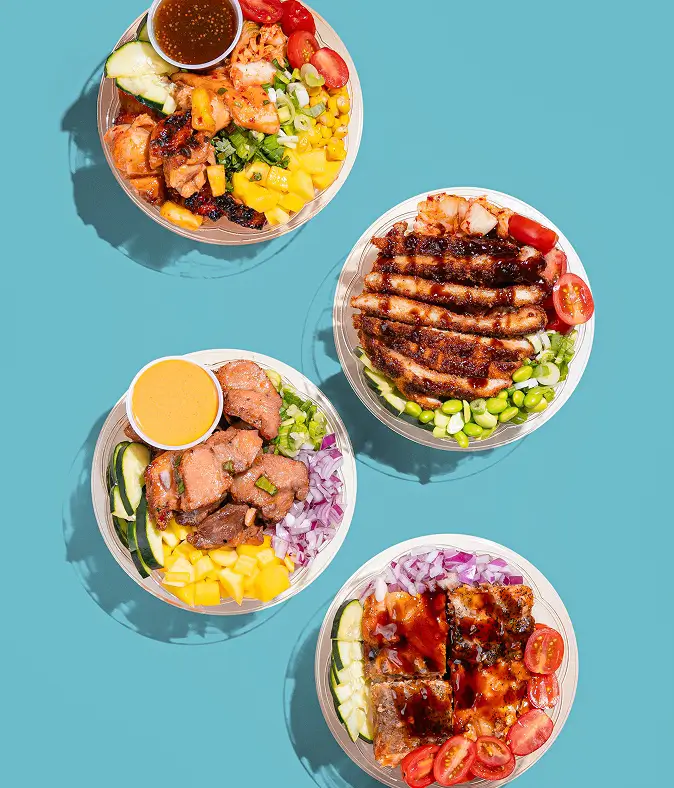
Location shapes almost everything: who walks past, how often they come back, and whether there’s room for a second store later. Here are a few things worth checking before you sign a lease:
Our format works in a range of settings. Which one suits you depends on local demand, rent, available space, and how people in the area eat. These are the site types franchisees tend to do well in.

Shoppers, mall employees, and families all need lunch, and weekend traffic tends to hold steady.
A compact build-out moves a line quickly, which is exactly what food court customers want.
Street-level shops pull in office workers, residents, students, and delivery orders from a few blocks around.
Students eat at odd hours and order often. Customizable bowls fit that rhythm.
Airports and stations bring reliable traffic, though leases and operating requirements are usually stricter.
Mixed-use developments with offices, apartments, and retail send customers your way from several directions at once.
These are the markets where demand for healthy food keeps climbing and franchise opportunities are open.

New York moves fast and eats well. Our model does best where foot traffic is heavy, from Midtown to Brooklyn, and the customer base is about as varied as it gets.
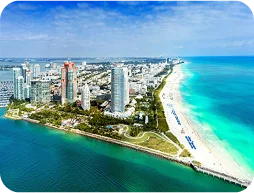
South Florida cities like Miami and Fort Lauderdale pair year-round tourism with residents who take wellness seriously. Clean, flavorful food sells here.

Boston is a student-heavy, health-minded city. Professionals and commuters keep lunch service busy over the course of the week.

Philadelphia and Pittsburgh in Pennsylvania bring city foot traffic and diversity, while the surrounding suburbs are still growing.
Place the decision guide after the market descriptions. Readers will understand the markets first and can then compare them with their investment goals.
A growing suburban market keeps operating costs manageable and parking simple. Parts of Pennsylvania and South Florida fit that profile, depending on what’s available.
Dense markets with distinct neighborhoods leave room to keep adding stores. New York and South Florida both support that.
Pennsylvania and parts of South Florida put you near expanding residential areas, shopping centers, and family-focused communities.
New York and Boston suit compact, high-visibility storefronts serving professionals, students, and commuters.
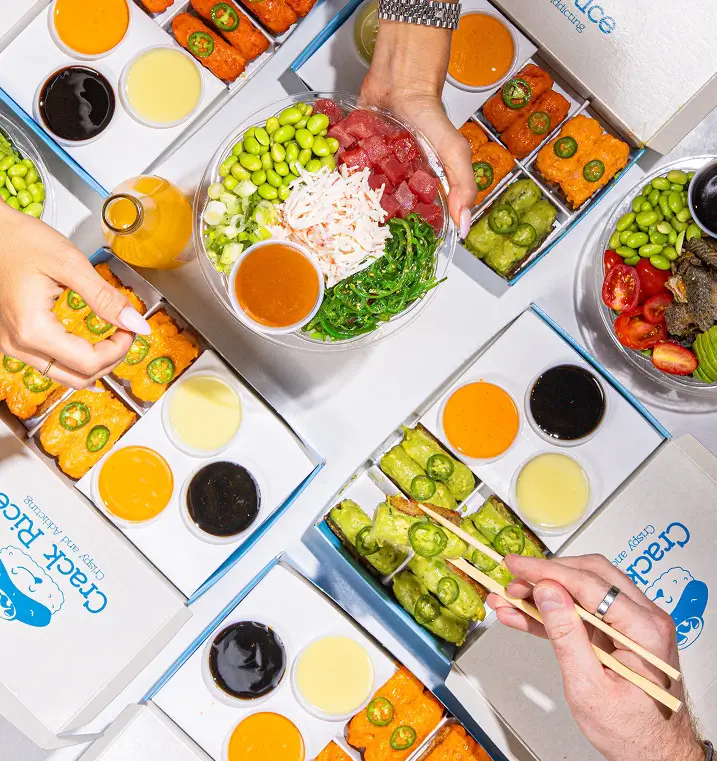
A strong address gets you open. The support behind it keeps you running. You’ll have a system built for growth and a brand customers already know when they see it. Whether you’ve run restaurants for years or this is your first, we’ll walk you through it.
Call our team to schedule a consultation or ask for more information.
Yes. Availability in any given city changes, so it’s worth checking early.
Call us at (347) 582 5833 and we’ll tell you what’s open in your area.
Yes. Multi-unit ownership is an option.
Shopping centers, food courts, street-level urban shops, campus areas, transit hubs, and mixed-use developments all work. The right fit comes down to local demand, rent, and space.
Yes. We help you evaluate franchise sites and review lease terms before you commit.
Yes, tell us where you’re looking. Give us a call and we’ll look into it.
Usually three to six months from site selection to opening day.